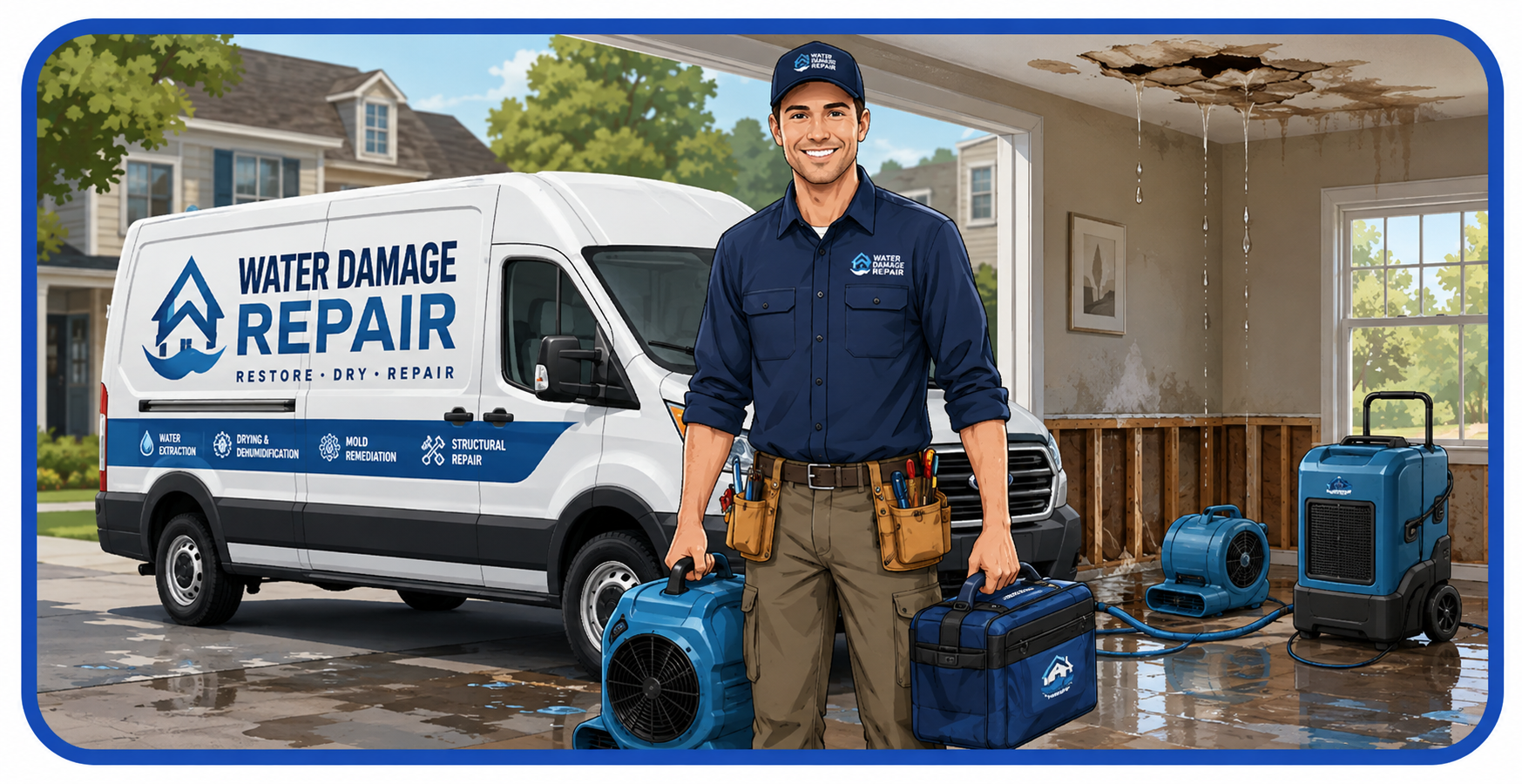
Flood water rarely arrives clean, and it rarely stays in one room. Our Flood Damage Restoration crews handle contamination classification, extraction, and structural drying as one coordinated response.
Call +1-844-833-1325 Now
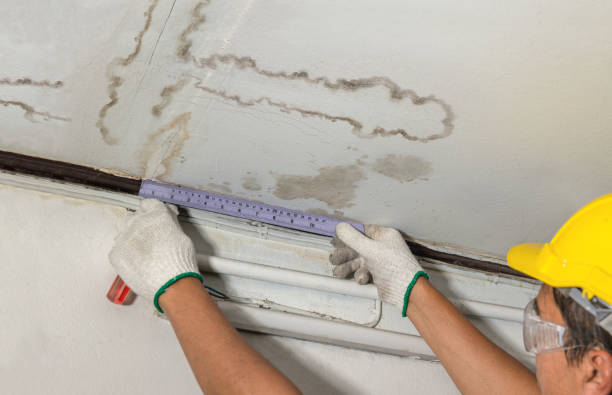
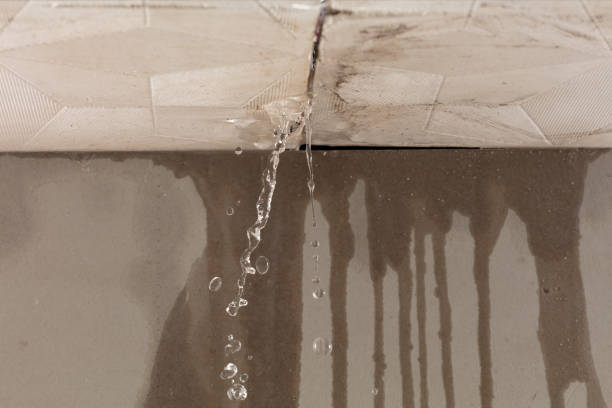
Flood water almost never arrives alone — debris, contamination, and structural stress usually show up together, so our assessment covers all three instead of treating the water as the only issue.
We'd rather explain the flood damage restoration process in plain terms upfront than have you find out the hard way what a shortcut costs later.
These four things matter together, not in isolation — certification, speed, honest pricing, and the right equipment are what actually change the outcome of a flood damage restoration call.
Ask for credentials before the work starts, not after — a legitimate flood damage restoration specialist will have them ready.

We follow contamination protocols specific to storm and groundwater flooding, not a generic drying plan.
We coordinate multiple crews on larger flood losses rather than making you wait in a single-tech queue.
We know flood claims often face extra scrutiny, so our reporting is built to hold up.
Pricing doesn't spike during flood events — the same flat-rate standard applies.
We don't treat flood damage restoration as a single generic task — each part of the process below gets its own specific approach.

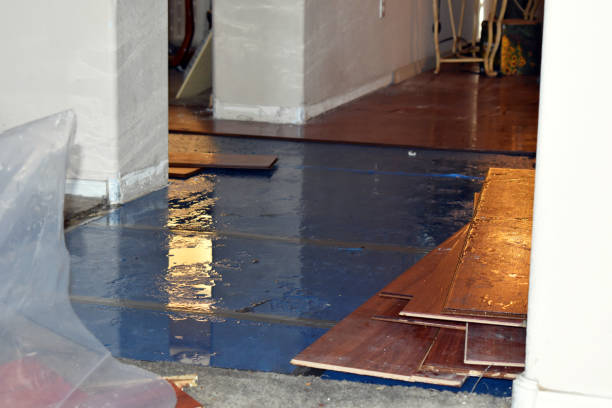
Truck-mount extraction removes bulk floodwater fast, classified for contamination before removal.
Floodwater is treated as contaminated by default until testing says otherwise.
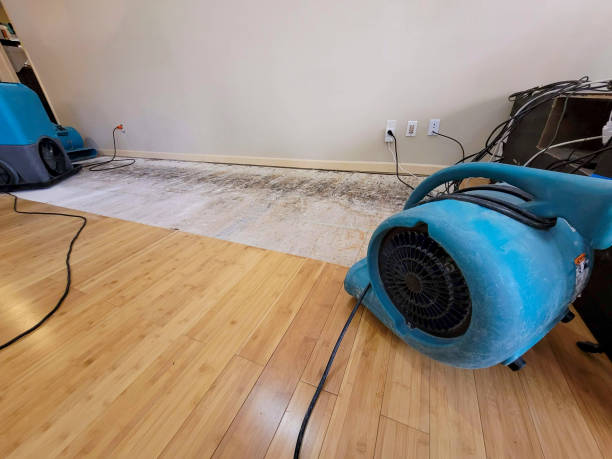
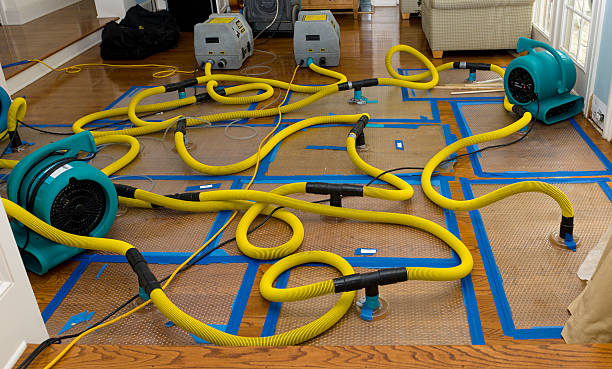
Drying equipment scales to the square footage affected, not a one-size setup.
We treat the 48-hour mold window as critical, especially with contaminated flood water.
Unsalvageable materials get removed and documented, from flooring to drywall below the waterline.
Once the structure is verified dry, reconstruction handles everything from subfloor to finish work.
Four steps, no guesswork, from your first call to a verified flood damage restoration result.
A real person answers, asks a few fast questions, and routes the nearest available crew.
Local staging is what makes rapid arrival possible, rather than a promise with nothing behind it.
The assessment sets the whole plan, so we don't rush it even when the visible damage looks minor.
A job isn't closed on a visual check — it's closed on a verified reading.


"Storm water got into our first floor and they scaled up crews fast instead of making us wait."
Ivy Chen, Edgewater"They explained the Category 3 protocol clearly instead of just showing up in hazmat suits unannounced."
Preston G., Edgewater"Our basement flooded from groundwater during a storm and they handled the whole thing, extraction to reconstruction."
Julian V., Edgewater"Our whole first floor took on flood water and they brought in extra crew instead of leaving us waiting days."
Katrina L., Edgewater"A creek near our property overflowed and flooded the ground level, and they responded within the hour despite the citywide surge in calls."
Owen D., EdgewaterThese are the questions we hear most often about flood damage restoration, gathered from real calls, not a generic template list.

Our flood damage restoration coverage spans 32141 32168 32132, with trucks positioned to reach any address in the service area quickly.
Coverage extends past the immediate area, so an outlying Edgewater address isn't treated as a lower priority for flood damage restoration.